

The Building Can’t Stop: What Business Owners Should Know About Construction in an Active Facility
October 30, 2026
For manufacturers and commercial property owners, the challenge isn’t always completing the construction project. It’s completing the project while everything else keeps moving.
It’s Monday morning at a busy Connecticut manufacturing facility.
Employees are arriving for their shifts. Equipment is running. Materials are moving through production areas. Deliveries are scheduled, customers are waiting, and the day’s priorities are already underway.
Now imagine introducing a construction crew into that environment.
A seemingly straightforward renovation—new offices, upgraded ventilation, interior improvements, or modifications to accommodate equipment—suddenly involves much more than the construction work itself.
Where will employees go while work is underway? How will construction materials reach the work area? What happens when activities create dust, noise, or temporary interruptions? And how can everyone remain safe while construction and daily operations share the same facility?
For businesses planning improvements to an occupied commercial or industrial building, these questions deserve as much attention as the construction budget.
1. When the Construction Schedule Meets the Production Schedule
In a vacant building, contractors often have greater flexibility to organize work around construction activities.
An operating facility presents a different challenge.
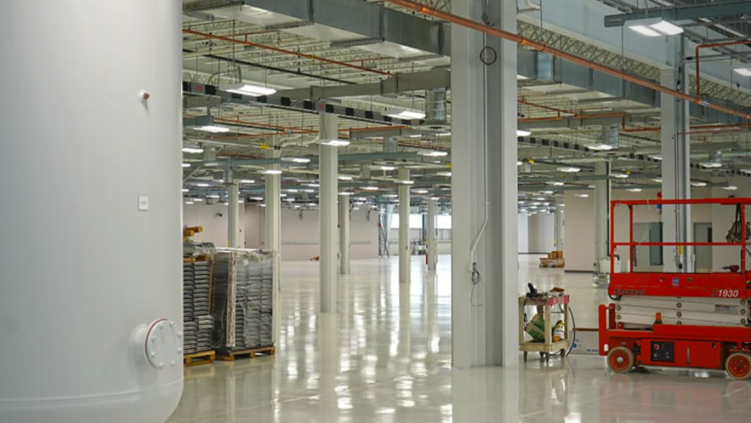
A manufacturer may have equipment that cannot be shut down during normal production hours. A warehouse may need to maintain shipping and receiving access. An occupied office building may require employees to move between spaces while improvements are completed.
The construction team must understand those operational requirements before developing the schedule.
That can involve coordinating work areas, deliveries, equipment access, temporary barriers, and potentially disruptive activities around the customer’s daily operations.
At Pat Munger Construction Company, Inc., experience working within active commercial and manufacturing facilities has reinforced an important principle: understanding how a business operates is essential to understanding how construction should proceed.
Rather than treating construction activities as separate from the customer’s operations, effective planning considers how both can function safely and efficiently throughout the project.
2. The Details That Don’t Always Appear on a Drawing
Consider an interior improvement project within an active manufacturing facility.
The drawings may identify new partitions, ceiling improvements, ventilation changes, or equipment connections.
But the drawings alone may not explain which production areas require restricted access, when employees change shifts, or which activities could interfere with manufacturing processes.
Those details often emerge through conversations with the people who use and maintain the building.
This is where early planning and communication become particularly valuable.
Before construction begins, owners and contractors should discuss operational constraints, site access, safety requirements, potential disruptions, and how decisions will be communicated throughout the project.
Munger Construction’s experience with interior renovations, facility maintenance, and improvements to active manufacturing environments has demonstrated the importance of coordinating construction requirements with the needs of the people working inside the building. Our preconstruction planning brings design, estimating, in-house structural engineering, and construction expertise into early conversations about existing conditions, phasing, and operational constraints.
The goal is to identify challenges while there is still time to plan around them.
3. Why the Lowest Construction Price May Not Tell the Whole Story
When evaluating proposals for work inside an occupied facility, price is naturally an important consideration.
But two proposals with similar scopes may reflect very different assumptions about how the work will be performed.
One contractor may anticipate unrestricted access to a work area. Another may recognize the need for phased construction, additional protection, or coordination around production schedules.
Those differences can affect the project schedule, operational disruption, and overall cost.
For business owners comparing commercial construction proposals, it is worth looking beyond the bottom line.
Five questions to ask a contractor before beginning work in an occupied facility:
- Have you completed similar work in operating facilities? Relevant experience can help identify challenges before they affect the project.
- How will construction activities be coordinated with daily operations? The contractor should explain its approach to access, scheduling, and communication.
- What assumptions are included in the proposal? Owners should understand whether pricing accounts for phasing, restricted work areas, and operational constraints.
- How will safety be managed when employees and construction personnel share a facility? The approach should reflect the specific environment and activities involved.
- Who will be responsible for communicating changes and resolving issues? Clear accountability is particularly important when unexpected conditions arise.
A thoughtful proposal should help the owner understand not only what will be built, but how the work will affect the business.
4. Experience Matters Most When Conditions Change
Existing buildings can present unexpected conditions, particularly when construction involves older infrastructure or systems that have been modified over time.
A concealed condition may require a change in approach. An equipment delivery may be delayed. A facility may need to adjust its operating schedule.
No contractor can eliminate every uncertainty.
What matters is how the project team identifies problems, communicates options, and helps the owner make informed decisions.
Munger Construction’s experience includes interior renovations, facility maintenance, building system improvements, and work in operating manufacturing environments. Explore our manufacturing construction experience and construction management services for projects that require close coordination with facility operations.
These projects require coordination among construction professionals, facility personnel, and specialty trade partners, with attention to the conditions unique to each location.
The value of that experience extends beyond the physical improvements. It contributes to more informed planning and a better understanding of the owner’s operational priorities.
5. A Construction Partner Should Understand the Business Behind the Building
For a growing manufacturer, a facility improvement might support new equipment, increased production capacity, or a safer and more efficient working environment.
For a commercial property owner, it might help reposition a building for a new tenant or extend an existing property’s useful life.
In either case, construction is a means to a larger business objective.
That is why the earliest conversations should focus on what the owner needs to accomplish, what cannot be interrupted, and what a successful outcome will look like.
With experience in design-build, preconstruction, construction management, and general contracting, Munger Construction helps commercial and industrial clients evaluate their options and plan improvements around their facilities’ needs.
The right construction approach begins with understanding the business, not simply the building.
Planning Improvements to an Operating Facility?
Whether you’re considering an interior renovation, manufacturing facility upgrade, building expansion, or improvements to existing infrastructure, early coordination can make a meaningful difference.
Before requesting construction pricing, identify the operational activities that must continue, the areas that can be temporarily unavailable, and the people who should participate in planning.
Those conversations can help your construction team develop a more realistic approach to the work.
Pat Munger Construction Company, Inc. works with commercial and industrial clients throughout Connecticut and southwestern Rhode Island, helping businesses plan and execute construction projects with their operational priorities in mind.
Considering improvements to an occupied commercial or industrial facility? Contact Munger Construction to discuss your goals, operational constraints, and next steps.
Recent News
How to Compare Construction Proposals: Why the Lowest Bid Might Not Tell the Whole Story
September 29, 2026
Construction Manager vs. General Contractor: What’s the Difference?
August 18, 2026
Commercial Construction Services Across Connecticut, Rhode Island, Massachusetts & New York
August 7, 2026
Top 5 Manufacturing Facility Upgrades That Improve Efficiency and Support Growth
July 23, 2026
Pre-Engineered Metal Buildings: The Smart Choice for Modern Commercial Construction in Connecticut
July 16, 2026
The Hidden Costs of Deferred Maintenance: How a $500 Repair Can Become a $50,000 Project
July 15, 2026
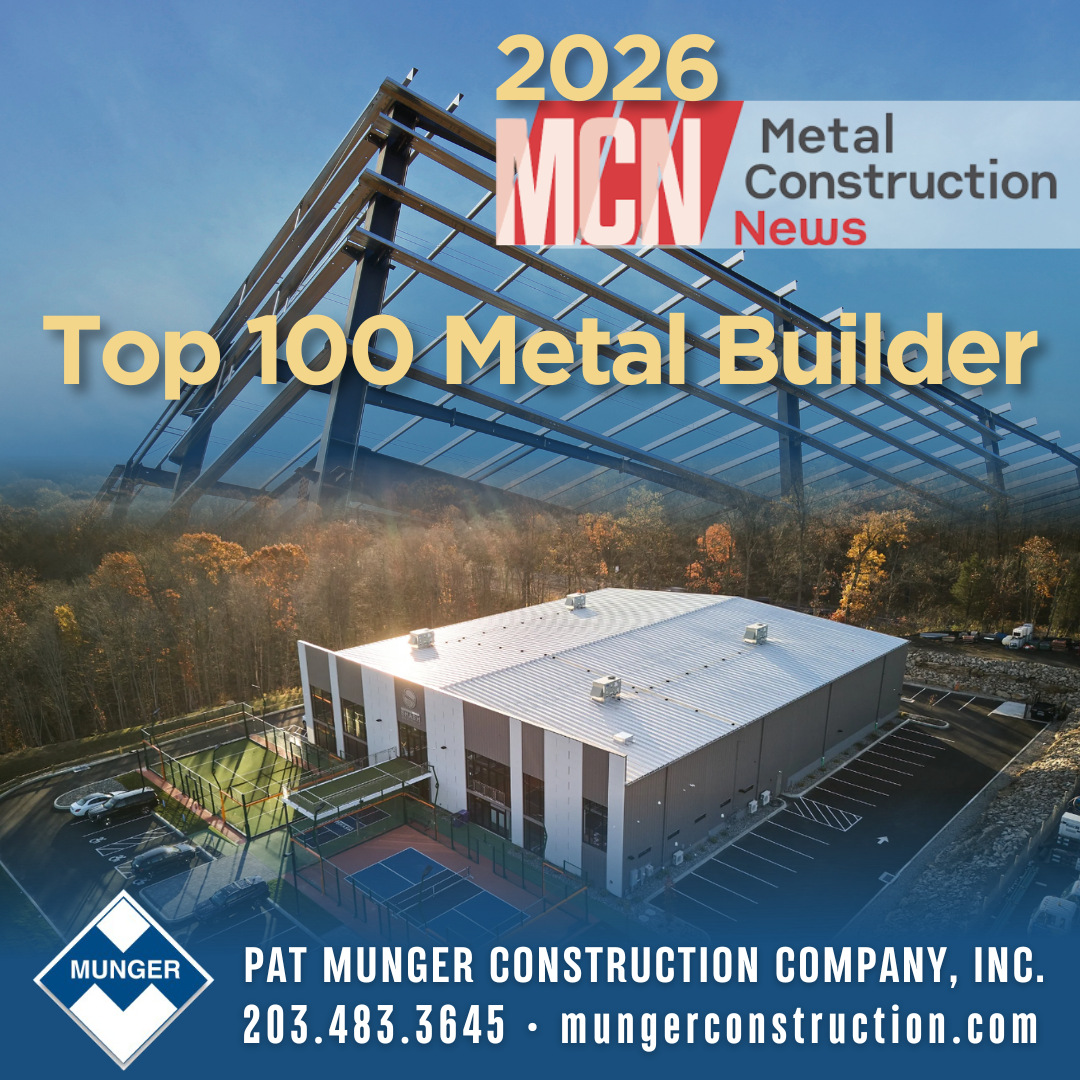
Munger Construction Named to Metal Construction News Top 100 Metal Builders List for 2026
May 5, 2026