

How to Compare Construction Proposals: Why the Lowest Bid Might Not Tell the Whole Story
September 29, 2026
When comparing construction proposals, the bottom-line price does not always tell the full story. Differences in scope, allowances, materials, exclusions, staffing, and commercial terms can significantly affect the actual cost and value of a proposal.
Here are seven areas building owners should review when comparing proposals.
1. Confirm the Same Scope is Being Priced
· Compare each proposal against the same drawings, specifications, addenda, bid forms, and clarifications.
· Identify missing trades, partial scope, owner-furnished items, and work assigned to others.
· Watch for scope language such as “by others,” “not included,” “as required,” or “if necessary.”
· Create a scope matrix for major divisions so omissions and overlaps are obvious.
2. Separate Base Price, Allowances, Alternates & Unit Prices
· Base bid: Verify what is fully included in the stated contract amount.
· Allowances: Compare both the dollar amount and what the allowance covers. A low allowance can look artificially inexpensive.
· Alternates: Confirm whether each alternate is additive or deductive and whether it affects schedule or other scope.
· Unit prices: Review rates for likely quantity changes such as excavation, unsuitable soils, paving, or added work.
3. Read Assumptions & Exclusions Carefully
· Assumptions can materially change the meaning of the price. Confirm access, working hours, phasing, temporary utilities, shutdowns, winter conditions, permits, testing, protection, cleanup, and site logistics.
· Exclusions should be converted into estimated owner cost or risk whenever possible, then added back for comparison purposes.
4. Evaluate Schedule & Staffing
· Compare proposed start date, overall duration, milestone dates, phasing, and long-lead procurement assumptions.
· Ask who will manage the project day-to-day and whether superintendent/project manager staffing is full-time, shared, or limited.
· Confirm whether overtime, acceleration, off-hours work, or temporary measures needed to meet the schedule are included.
5. Compare General Conditions & Commercial Terms
· Review bonds, insurance, permits, supervision, temporary facilities, dumpsters, lifts, safety requirements, closeout, warranties, and commissioning responsibilities.
· Compare payment terms, retainage, escalation language, change-order markups, contingency treatment, and any qualifications to the proposed contract form.
6. Compare Material Types, Quality & Performance
· Do not assume that similarly described materials are equivalent. Compare manufacturer, product line, grade, thickness, finish, performance ratings, warranty, expected service life, and applicable standards or specifications.
· Look closely at major finish and building-system selections such as roofing, siding, windows and doors, flooring, casework, plumbing fixtures, mechanical equipment, electrical devices, insulation, coatings, and paving. Lower-cost substitutions may have different durability, maintenance, appearance, energy performance, or replacement costs.
· Confirm whether proposed materials match the basis-of-design products and specified quality level. When substitutions or “or equal” products are proposed, require enough product data to evaluate equivalency and identify any associated credits, added costs, lead-time impacts, or warranty differences.
· For allowances, verify the assumed material quality as well as the dollar value. Two contractors may carry the same allowance amount while assuming very different product grades, installation requirements, or accessory packages.
7. Consider Qualifications Beyond Price
· Contractor reputation; are they trustworthy, transparent, honest, ethical? Do they have a history of non-owner-requested change orders?
· Relevant experience with similar project type, size, complexity, occupied conditions, and delivery method.
· Quality and completeness of the proposal itself; unclear scope often becomes a change-order discussion later.
· Written Safety Program, track record, and standard operating procedures.
· References, safety performance, subcontractor plan, financial capacity, and demonstrated ability to meet the required schedule.
Best practice: Do not compare bottom-line price alone. Prepare a written bid leveling sheet, issue the same clarification questions to each contractor, document responses, and compare an “adjusted” price after known scope, material-quality, allowance, and commercial differences are normalized. Preserve the original proposals and clarifications as part of the procurement record.
Recent News

Construction Manager vs. General Contractor: What’s the Difference?
August 18, 2026
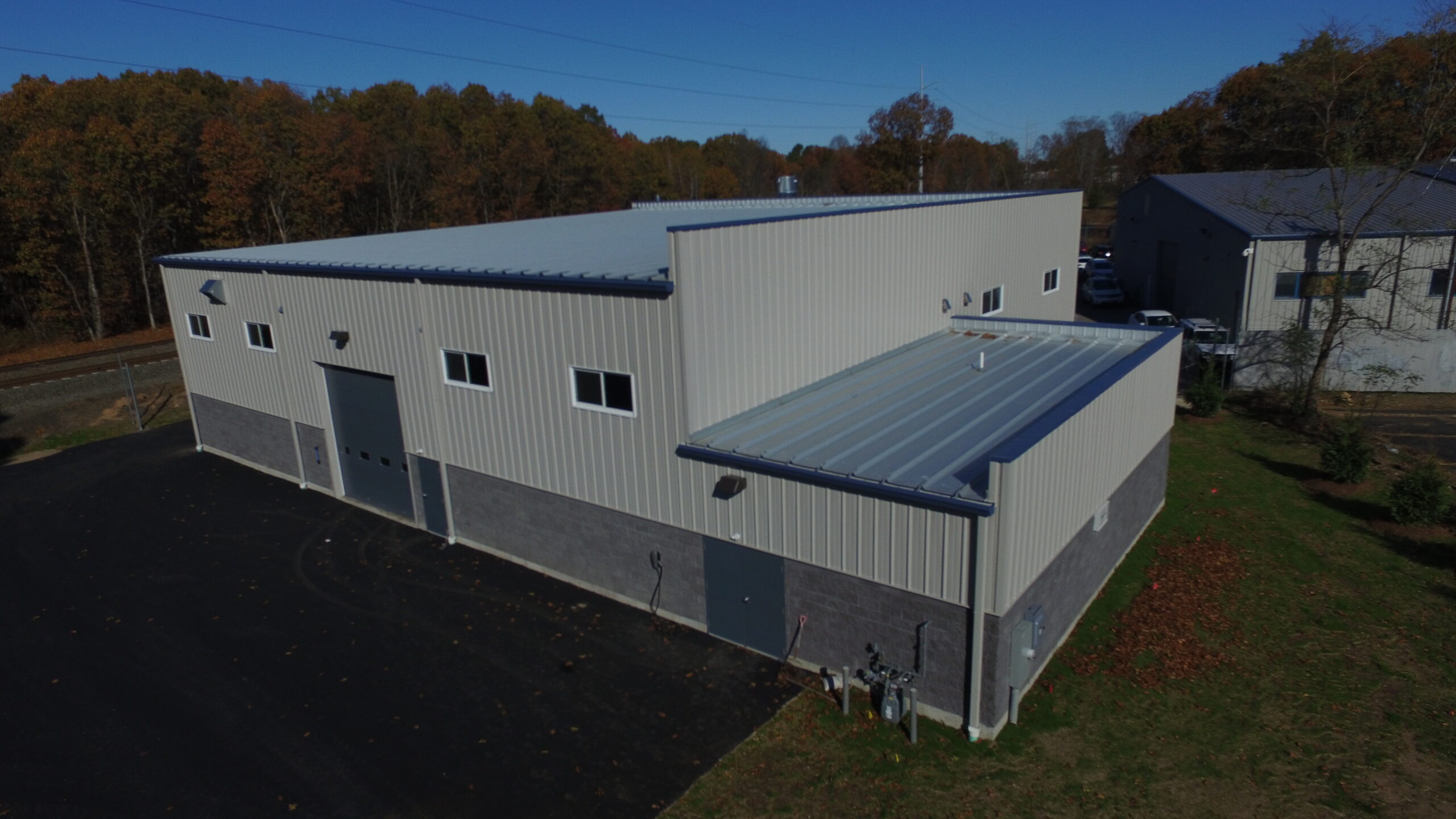
Commercial Construction Services Across Connecticut, Rhode Island, Massachusetts & New York
August 7, 2026

Top 5 Manufacturing Facility Upgrades That Improve Efficiency and Support Growth
July 23, 2026
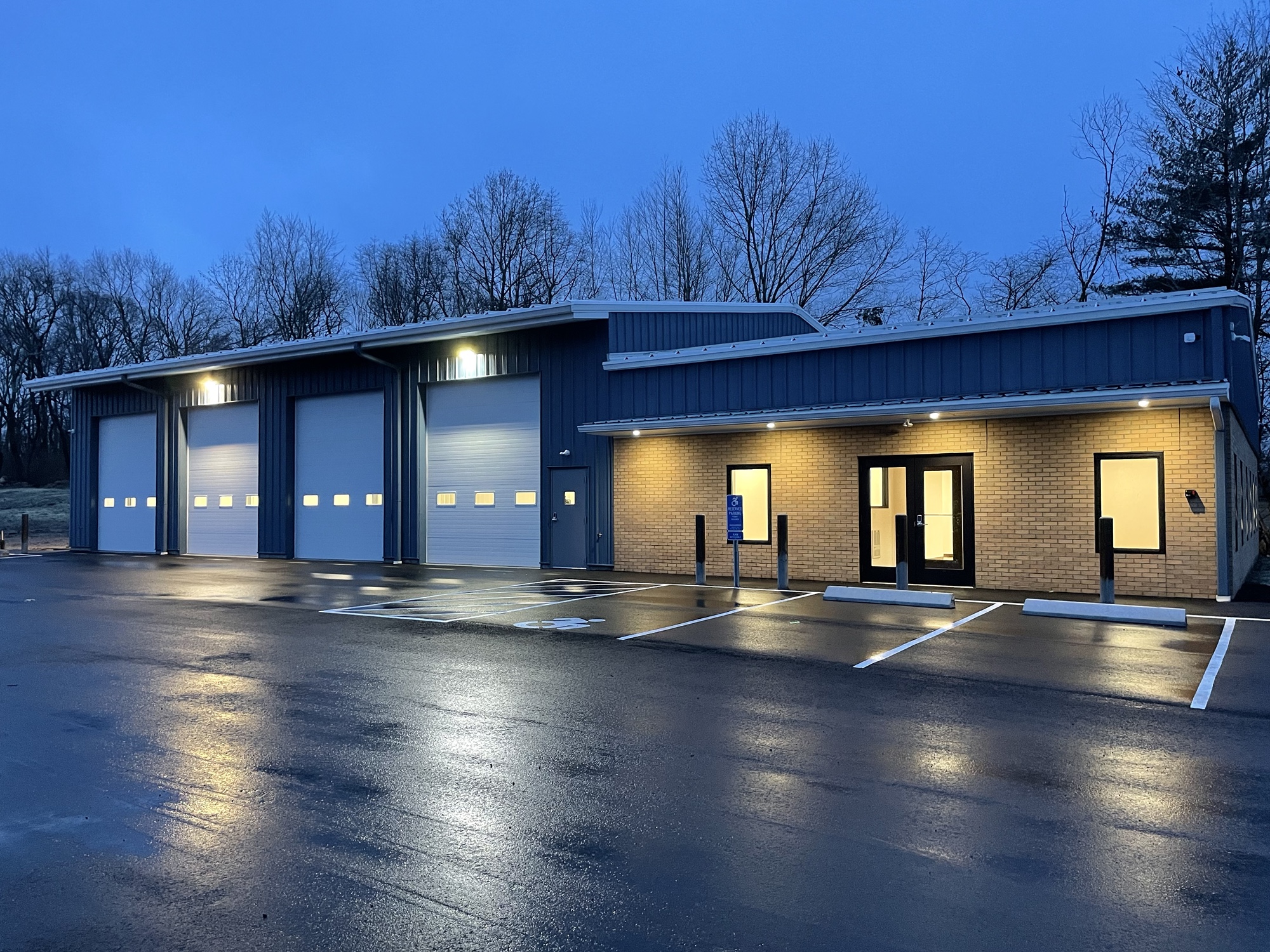
Pre-Engineered Metal Buildings: The Smart Choice for Modern Commercial Construction in Connecticut
July 16, 2026
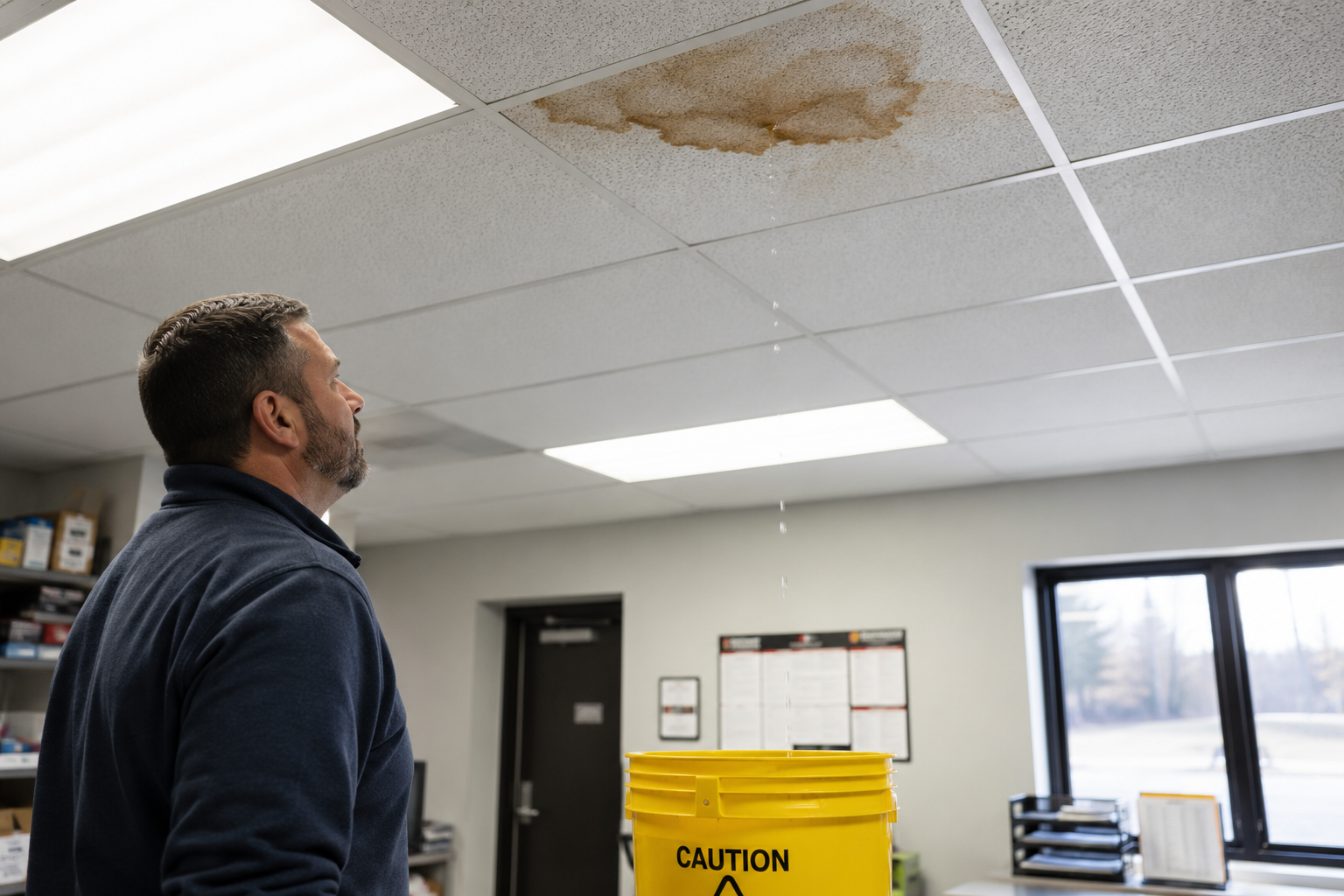
The Hidden Costs of Deferred Maintenance: How a $500 Repair Can Become a $50,000 Project
July 15, 2026
Munger Construction Named to Metal Construction News Top 100 Metal Builders List for 2026
May 5, 2026

Munger Construction and Industrial Building Systems Earn Four Honors in 2026 Varco Pruden Hall of Fame Awards
May 5, 2026