


Construction Manager vs. General Contractor: What’s the Difference?
August 18, 2026
If you’re planning a construction project, you may hear the terms construction manager and general contractor early in the process. While both can play an important role in taking a project from concept to completion, their responsibilities, involvement, and relationship with the owner can differ.
Understanding those differences can help you choose the right approach for your project.
What Does a General Contractor Do?
A general contractor (GC) typically executes the construction work according to the project plans and contract documents.
The GC coordinates the day-to-day construction process, which may include:
- Hiring and managing subcontractors
- Coordinating labor, materials, and equipment
- Managing the construction schedule
- Overseeing jobsite safety and quality
- Handling submittals, RFIs, and other construction documentation
- Completing the project according to the contract requirements
In a traditional design-bid-build project, the owner first works with an architect or engineer to develop the design. Once the plans are substantially complete, general contractors bid on the construction work.
This means the GC may not become heavily involved until much of the design has already been established.
What Does a Construction Manager Do?
A construction manager (CM) is often brought into the project earlier and can help the owner manage both the planning and construction process.
Depending on the delivery method, a construction manager may assist with:
- Preliminary budgeting and estimating
- Constructability reviews
- Project scheduling
- Value engineering
- Material and equipment procurement planning
- Bid package development
- Contractor and subcontractor coordination
- Construction oversight
Early involvement can give the project team valuable construction input while design decisions are still being made.
For example, a construction manager may identify a material with a long lead time, suggest a more efficient construction approach, or flag a design decision that could significantly affect the project budget before the drawings are complete.
Not All Construction Management Arrangements Are the Same
One important distinction is that “construction manager” can describe different contractual arrangements.
With Construction Manager as Agent (CMa), the construction manager primarily acts as an advisor to the owner. The owner may hold contracts directly with the individual trade contractors.
With Construction Manager at Risk (CMAR), the construction manager generally takes on greater responsibility for delivering the construction work. The CM may hold the subcontractor contracts and eventually establish a Guaranteed Maximum Price (GMP).
Because of this, a CM at Risk can function similarly to a general contractor during construction while providing the benefit of earlier involvement during design.
Where Does Design-Build Fit In?
There is another project delivery method owners should consider: design-build.
With traditional design-bid-build, the owner generally has separate relationships with the designer and general contractor.
With design-build, design and construction are coordinated through a single team.
That integrated approach allows designers, estimators, project managers, and construction professionals to collaborate earlier in the process. Decisions about budget, constructability, materials, scheduling, and building systems can be evaluated alongside the design rather than after it is complete.
For owners, this can mean fewer handoffs, clearer accountability, and a more collaborative path from initial concept through construction.
Which Approach Is Right for Your Project?
There isn’t one delivery method that’s right for every construction project.
The best approach depends on factors such as the project’s complexity, schedule, budget, level of design development, and the owner’s involvement throughout the process.
The important thing is understanding who is responsible for what, when they become involved, and how the project team will work together.
At Pat Munger Construction Company, Inc., we believe successful projects start with collaboration early in the process. By bringing design and construction expertise together, owners can make informed decisions about their building before those decisions become expensive to change.
If you’re considering a new building, addition, renovation, or other commercial construction project, our team can help you evaluate the right path forward.
Recent News
How to Compare Construction Proposals: Why the Lowest Bid Might Not Tell the Whole Story
September 29, 2026
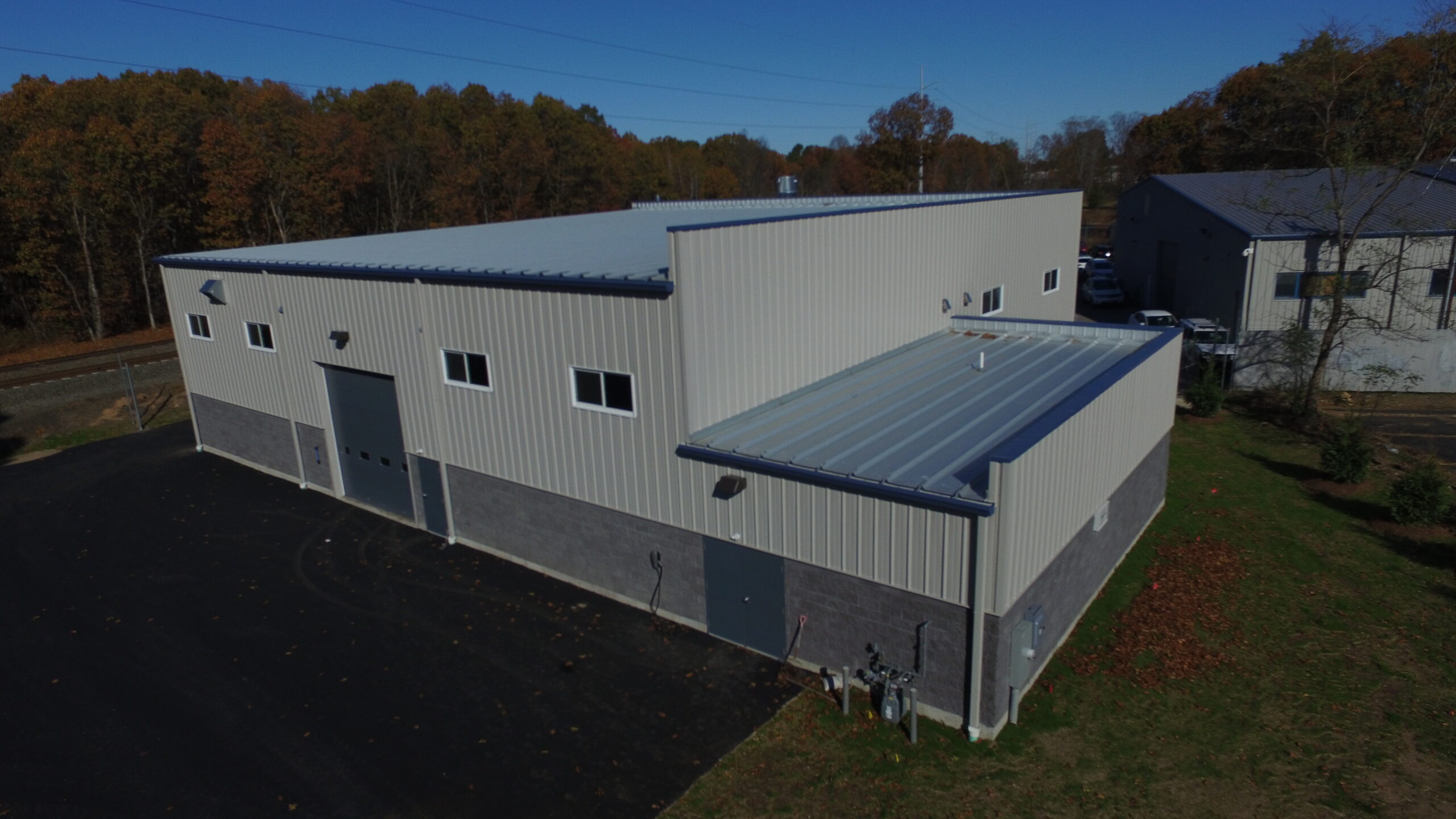
Commercial Construction Services Across Connecticut, Rhode Island, Massachusetts & New York
August 7, 2026

Top 5 Manufacturing Facility Upgrades That Improve Efficiency and Support Growth
July 23, 2026
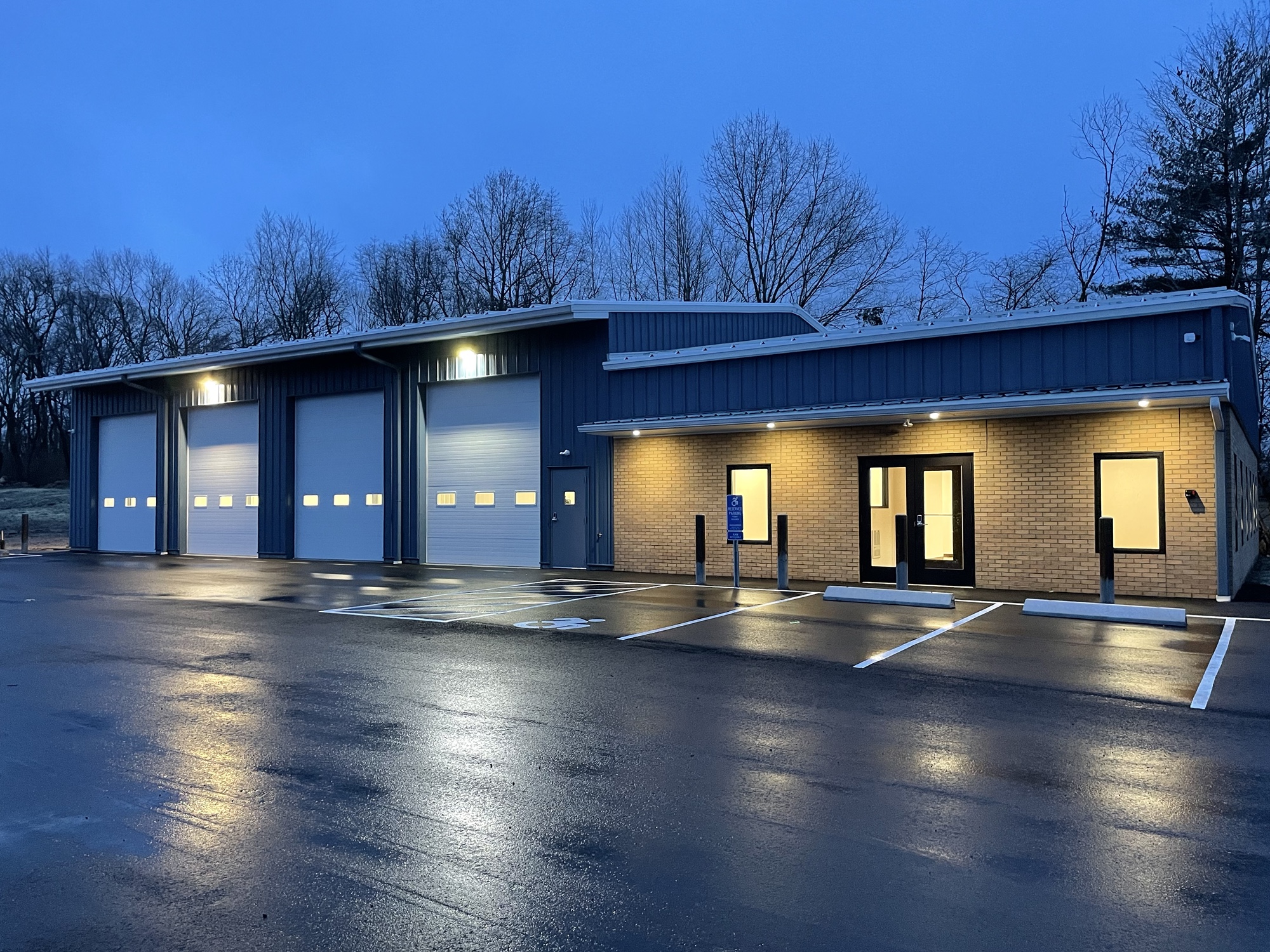
Pre-Engineered Metal Buildings: The Smart Choice for Modern Commercial Construction in Connecticut
July 16, 2026

The Hidden Costs of Deferred Maintenance: How a $500 Repair Can Become a $50,000 Project
July 15, 2026
Munger Construction Named to Metal Construction News Top 100 Metal Builders List for 2026
May 5, 2026

Munger Construction and Industrial Building Systems Earn Four Honors in 2026 Varco Pruden Hall of Fame Awards
May 5, 2026