

Top 5 Manufacturing Facility Upgrades That Improve Efficiency and Support Growth
July 23, 2026
Today’s manufacturing facilities must continuously adapt to meet changing production demands, improve efficiency, and remain competitive. Whether you’re modernizing an existing plant or planning for future expansion, investing in strategic facility improvements can reduce downtime, increase productivity, and extend the life of your building.
Planning a new manufacturing building, facility expansion, or renovation? Explore Munger Construction’s manufacturing facility construction services in Connecticut, including projects designed around ongoing production, equipment requirements, and operational needs.
Here are five of the most valuable upgrades manufacturers should consider.
1. Optimize Your Manufacturing Layout
An efficient facility layout is the foundation of productive operations. Reconfiguring production lines, relocating equipment, or improving material flow can reduce bottlenecks, shorten travel distances, and create safer working environments. As manufacturing processes evolve, updating your facility layout helps maximize productivity while allowing room for future equipment and technology.
2. Upgrade Aging Building Infrastructure
Deferred maintenance often leads to unexpected downtime and higher repair costs. Investing in critical infrastructure improvements—including roofing, HVAC systems, electrical upgrades, concrete repairs, loading docks, and utility improvements—helps improve reliability while reducing operational disruptions.
Modern infrastructure also enhances employee comfort, safety, and the overall performance of your manufacturing facility.
3. Expand with a Pre-Engineered Metal Building (PEMB)
When additional production, warehouse, maintenance, or storage space is needed, a pre-engineered metal building (PEMB) provides an efficient and cost-effective expansion solution.
PEMB construction offers:
- Faster construction schedules
- Durable, low-maintenance building systems
- Flexible interior layouts
- Lower lifecycle costs
- Easy future expansion opportunities
For manufacturers looking to increase capacity without lengthy construction timelines, metal building systems offer exceptional long-term value.
4. Improve Energy Efficiency
Energy costs continue to impact manufacturing operations. Upgrading LED lighting, insulation, HVAC equipment, building controls, and other mechanical systems can significantly reduce operating expenses while improving employee comfort.
Many energy-efficient improvements also contribute to sustainability initiatives and help manufacturers meet environmental goals while lowering long-term utility costs.
5. Start Every Project with Preconstruction Services
Successful manufacturing construction projects begin long before construction starts.
Comprehensive preconstruction services help manufacturers establish realistic budgets, evaluate construction options, identify potential risks, develop project schedules, and plan work around ongoing operations. Early collaboration minimizes surprises, reduces costly change orders, and helps keep production running throughout construction.
Before planning a manufacturing facility expansion or renovation, identify the production equipment, utility needs, material-flow constraints and storage capacity the building must support. Review access for deliveries and construction crews, work areas that need separation, and any production shutdown windows. These requirements help the project team compare an addition with improvements to the existing building and develop a realistic construction sequence.
What drives manufacturing expansion costs? Floor area is only one part of an early budget. Ask the project team to identify assumptions for site work, foundations and floor loads, utility capacity and tie-ins, fire protection, and construction around ongoing production. Clarify which equipment is owner-supplied, what is excluded, and which work depends on a shutdown window. Comparing those assumptions helps owners evaluate proposals on a consistent basis instead of relying on a square-foot price from a different facility.
Documented projects show why these details matter. At The Lee Company’s Building 82 expansion, grading aligned the new and existing buildings, while specialized utilities were extended from the operating facility. American Polyfilm’s new building required a production tower for its blown-film process. Chabaso Bakery’s improvements included production-equipment foundations and work planned around operating schedules. Bring equipment layouts, utility requirements, existing drawings and operational constraints into early planning so the contractor and design team can evaluate the building around the production process.
Manufacturing Construction Experience in Connecticut
Munger Construction helps Connecticut manufacturers expand production capacity, improve facilities, and accommodate evolving operational needs. Our completed projects include:
- The Lee Company – Building 82 Expansion: A 130,000-square-foot expansion incorporating manufacturing space and a mezzanine, with construction coordination around specialized operations.
- Chabaso Bakery: Facility renovations and additions supporting production improvements while accommodating ongoing operations.
- American Polyfilm: A 27,500-square-foot manufacturing building designed to support increased production capacity.
Partner with an Experienced Manufacturing Construction Contractor
At Munger Construction, we help manufacturers throughout Connecticut and southwest Rhode Island improve their facilities through manufacturing renovations, facility expansions, design-build construction, capital improvements, and pre-engineered metal building solutions. Our team understands the unique challenges of occupied manufacturing environments and develops construction plans that minimize disruptions while helping clients achieve their operational goals.
Munger’s in-house structural engineers and design team work with owners during planning to evaluate building requirements and coordinate design and construction decisions. If you’re considering manufacturing facility upgrades, our team can help you compare renovation and expansion options, establish project priorities, and plan next steps around your operations.
Ready to discuss your manufacturing facility project? Contact Munger Construction today to learn how we can help improve the efficiency, performance, and future growth of your operation.
Recent News
Commercial Property Due Diligence: What to Check Before You Buy or Lease
November 20, 2026
The Building Can’t Stop: What Business Owners Should Know About Construction in an Active Facility
October 30, 2026
How to Compare Construction Proposals: Why the Lowest Bid Might Not Tell the Whole Story
September 29, 2026
Construction Manager vs. General Contractor: What’s the Difference?
August 18, 2026
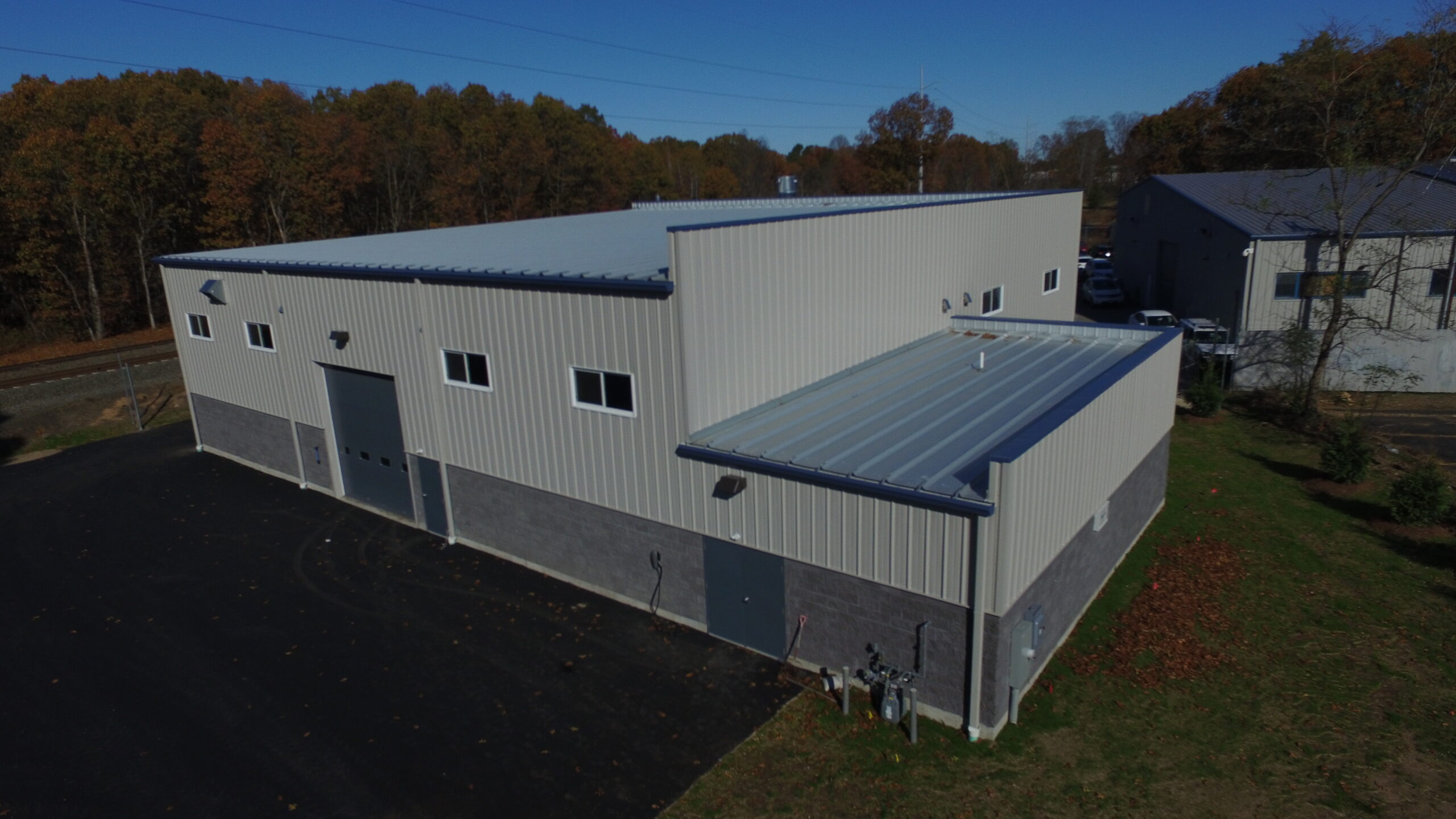
Commercial Construction Services Across Connecticut, Rhode Island, Massachusetts & New York
August 7, 2026
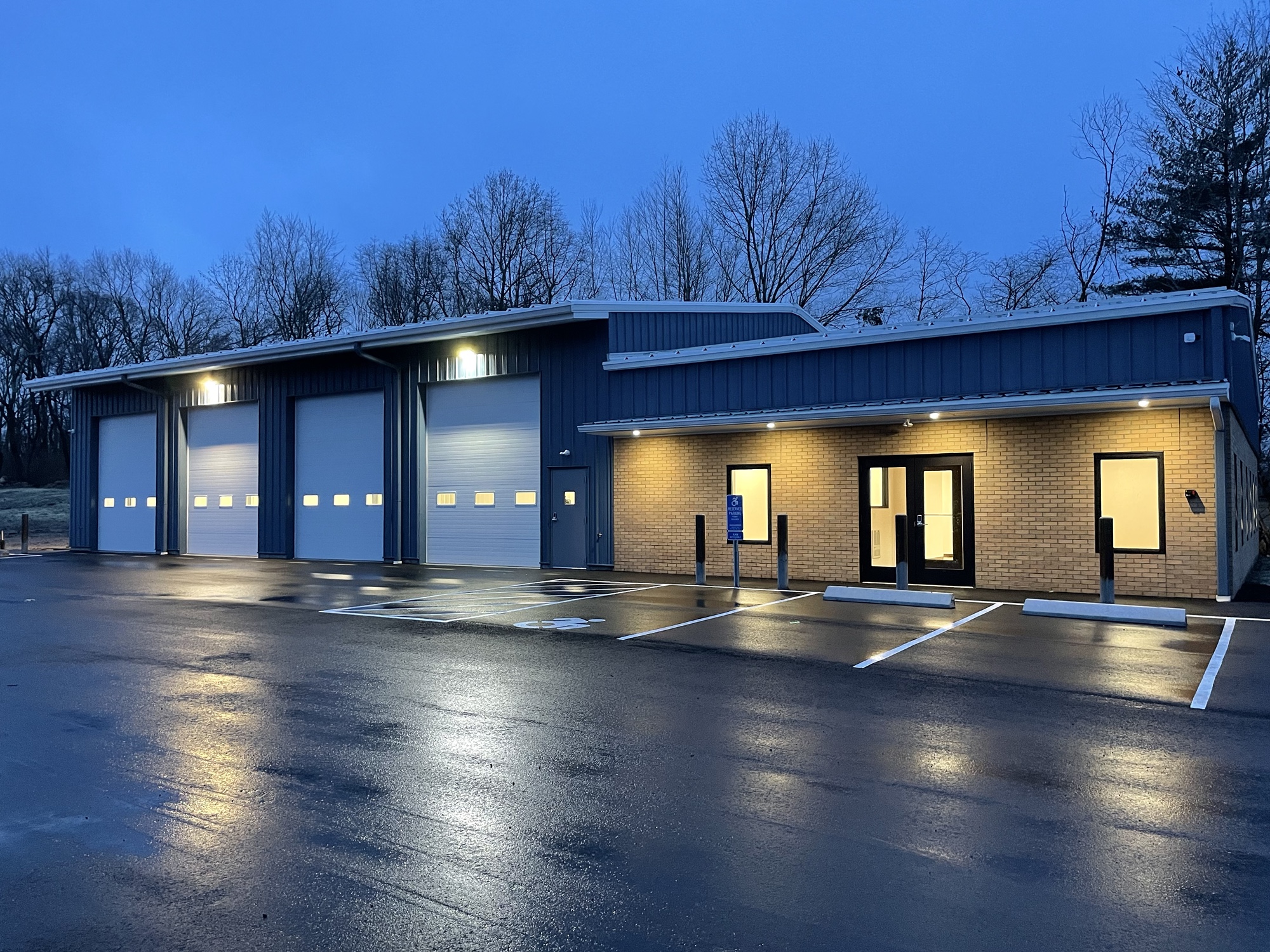
Pre-Engineered Metal Buildings: The Smart Choice for Modern Commercial Construction in Connecticut
July 16, 2026
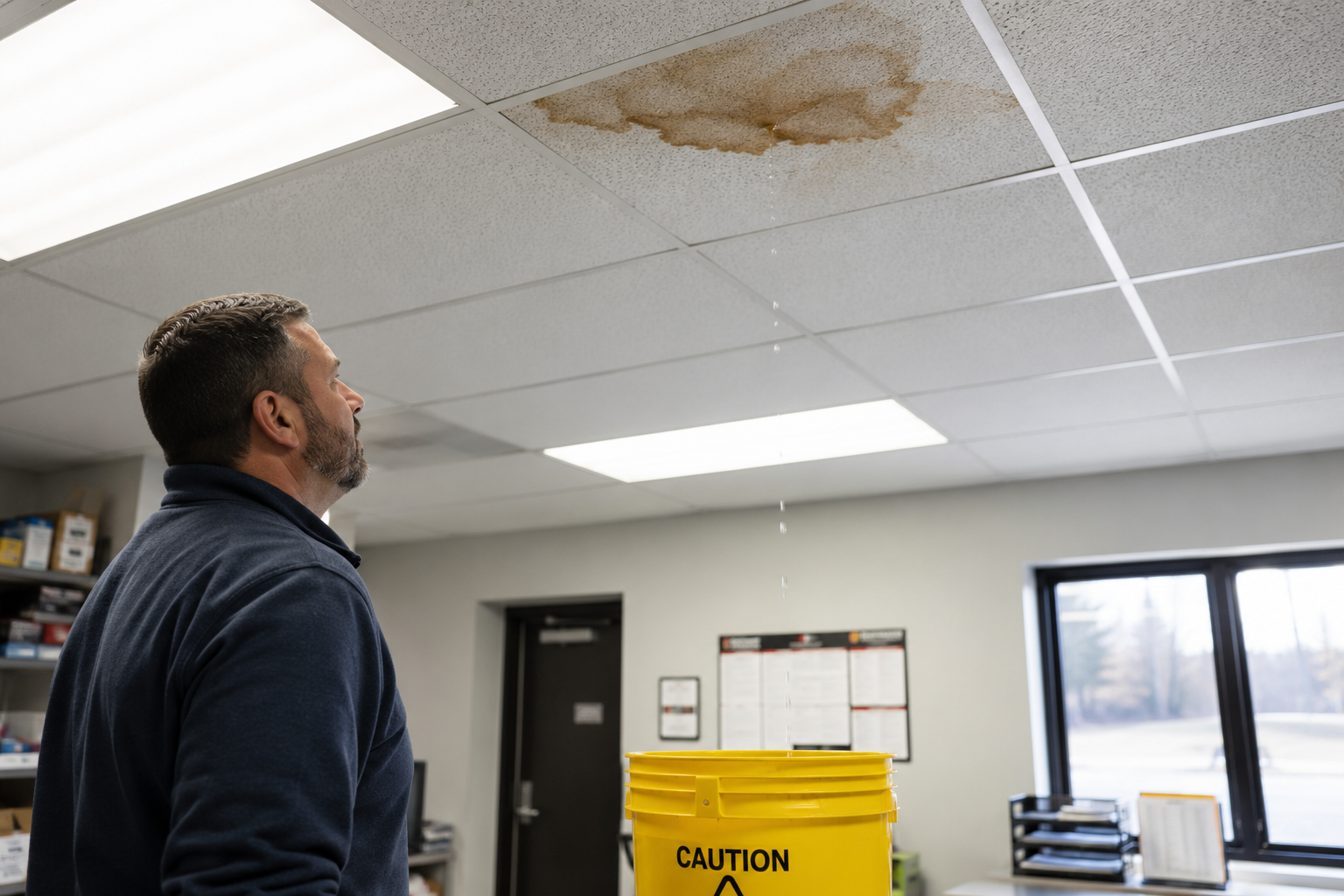
The Hidden Costs of Deferred Maintenance: How a $500 Repair Can Become a $50,000 Project
July 15, 2026